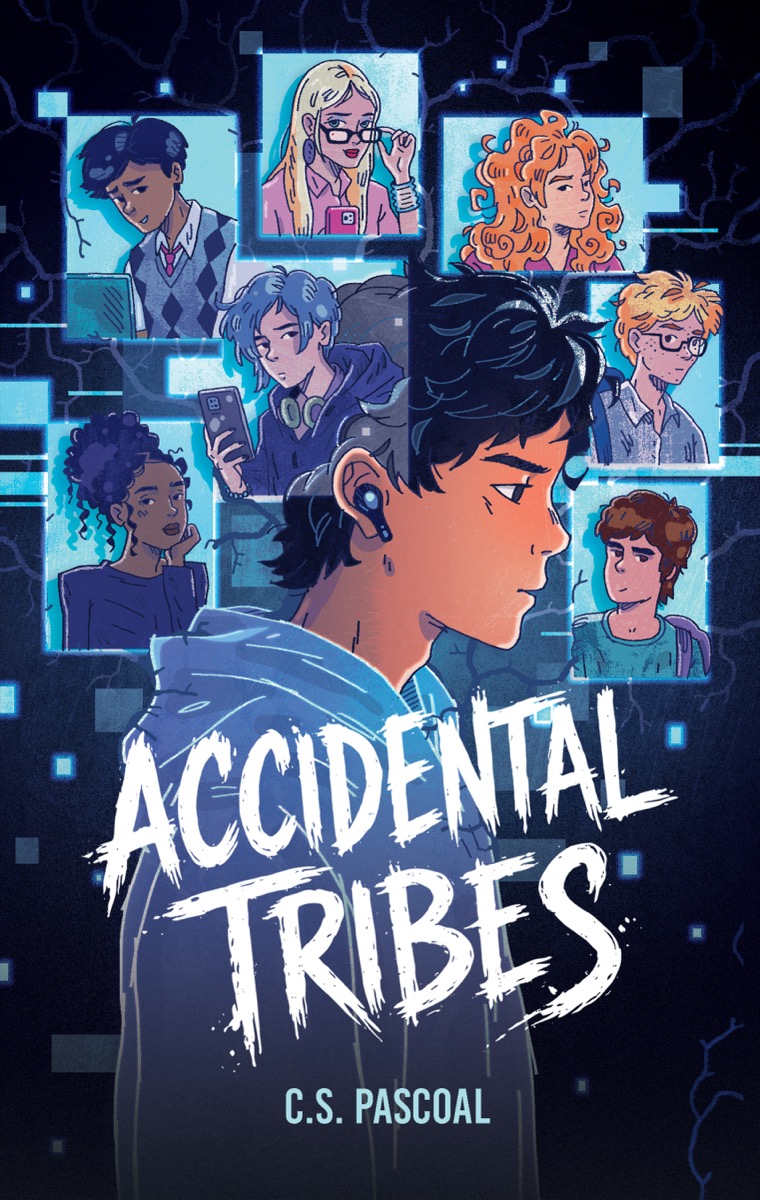
Finding a place to belong can be complicated, especially when others have already assigned you a label. C. S. Pascoal discusses connection and isolation in Accidental Tribes.
Many of the students seem isolated before they become a group. Why was that important?
Isolation matters in Accidental Tribes because it shapes what belonging can cost. When someone is lonely, acceptance can become so valuable that they tolerate cruelty, remain silent, or participate in something they would otherwise question.
Understanding teen identity and belonging means looking beyond whether someone has a group to sit with. I wanted readers to understand that pressure without reducing the students to it. Each person brings more than a need to be included. They have ideas, strengths, and something to contribute. A meaningful sense of belonging develops when those qualities have a place, and when a person can participate without feeling they must erase themselves.
What does the book say about being seen clearly by others?
In Accidental Tribes, being seen clearly means another person can recognize both your vulnerability and your responsibility. They can care about you while asking difficult questions about your behavior. I wanted connection to have that depth.
Hollywood Book Review described the novel as “A moving story about finding your people when the world seems determined to misunderstand you.” That speaks to an important part of understanding teen identity and belonging: the possibility that someone will remain curious about you after others have settled on a label.
Being understood does not mean having every choice approved. Sometimes another person sees your capacity more clearly than you do and expects you to act on it. That kind of relationship can be uncomfortable and valuable. It offers the possibility of being known beyond your defenses while still being treated as someone capable of growth.
The question “How do teenagers develop a sense of identity and belonging?” runs through Accidental Tribes because the students are still discovering what they believe and how they want to relate to others. I wanted their relationships to leave room for that discovery.
How can loneliness make teens more vulnerable to bad choices?
Accidental Tribes explores how the fear of remaining alone can make acceptance feel worth almost any price. Someone may ignore their own judgment to protect a connection. Friendship can also give them the courage to tell the truth, accept help, or make a different choice. Those are meaningful changes, even when they happen quietly.
I’m interested in the moment when a person begins to believe that honesty will not leave them completely alone. That possibility can change what they are willing to face. A community has a role in making that kind of courage possible.
About the Author
C. S. Pascoal is a technology and social-impact entrepreneur and the author of Accidental Tribes. Based in New York City, she founded UnBoxMe and has worked at the intersection of technology, entrepreneurship, and social impact.
Book website · Instagram · TikTok · YouTube · LinkedIn