
Some of the most dangerous terrain in fiction isn’t a battlefield. It’s a friendship being taken apart from the inside.
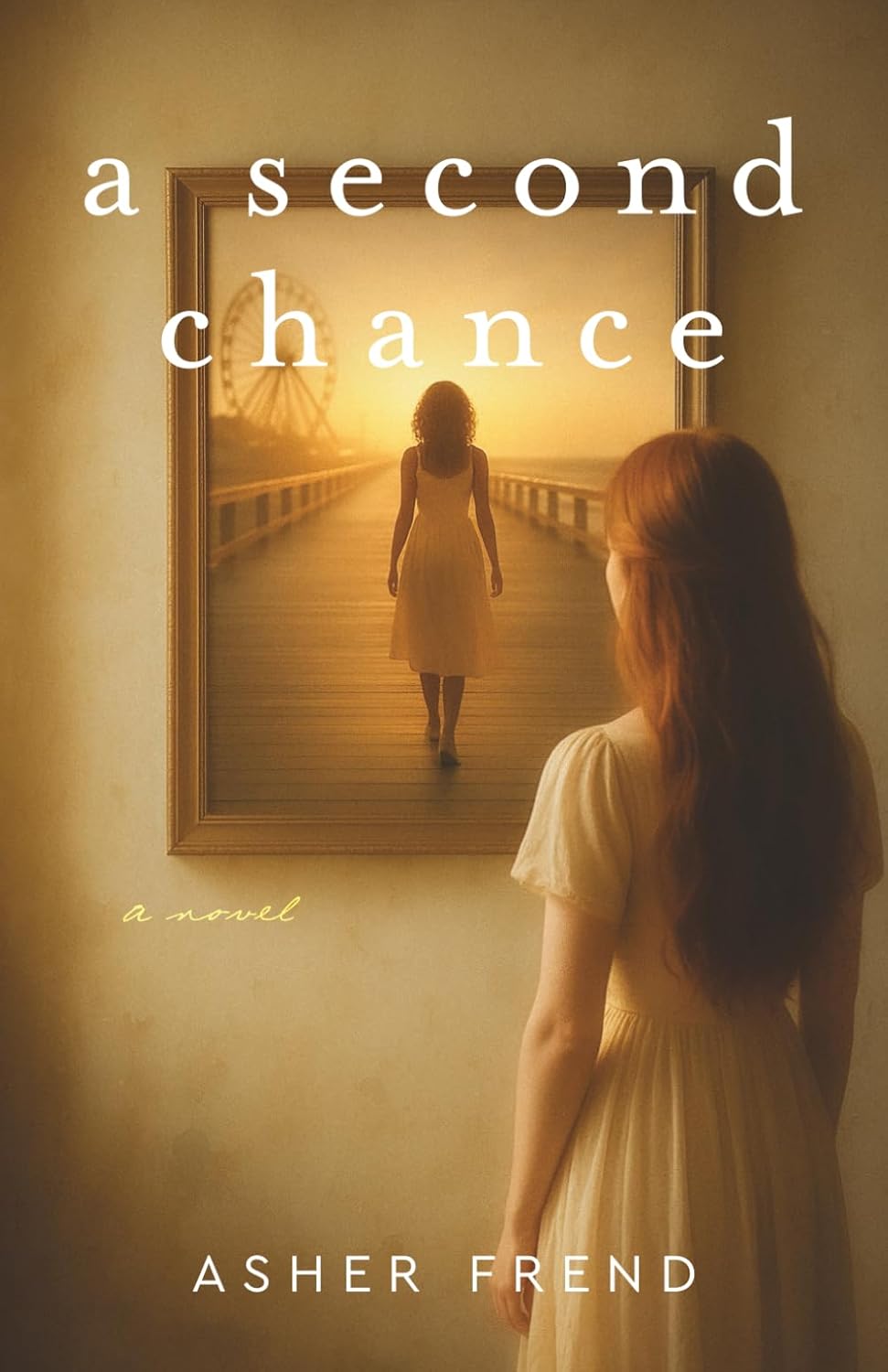
A Second Chance sends you into that territory. Mikaila and Chara are best friends until Asa begins his quiet campaign — not with confrontation, but with calculation. The threat here is psychological, and Frend tracks it with the kind of structural patience that thriller writers respect: dated chapters, building dread, a narrator who’s the last to see what the reader has suspected for a while. “I realized he didn’t like me. He liked the control he had over me.” That’s the line. That’s where the whole thing crystallizes.
The setting — Maryland and Connecticut beach towns — works as a contrast device. Open skies, summer light, and something going very wrong underneath. Frend doesn’t hammer the irony. Just lets it accumulate.
Mikaila is a strong narrator: competitive, spirited, not easily pushed around. Which is what makes watching it happen to her so effective. This isn’t a story about a passive character. It’s about what sustained, strategic pressure does even to people who think they’d recognize it.
The book is clean YA — no gratuitous content — with a faith thread that reads as genuine rather than decorative. Multiple perspectives give the story room to land its ending without feeling forced.
The journey here isn’t across physical distance. It’s across the distance between who Mikaila was at the beginning and who she has to become to get back to herself. That’s worth taking.
Literary Titan Silver Award. Christian Books Excellence Award. Christ Lit Award. Eric Hoffer Montaigne Medal finalist. This one’s been recognized for good reason.
Get your copy: A Second Chance on Amazon
What reviewers are saying:
“I realized he didn’t like me. He liked the control he had over me.” — US Review of Books
About Asher Frend
ASHER FREND writes clean young adult fiction with a thread of faith, a sharp edge of suspense, and characters who are trying to do the right thing when it would be easier to walk away. Their stories blend coming-of-age pressure with real emotional stakes, then build toward hope without pretending life is simple. When Asher is not writing, they are usually spending time with their spouse and son and getting out for long walks to clear their head and untangle the next plot problem.